

In the American Dental Association’s consumer glossary, cosmetic dentistry means any services provided by dentists solely for the purpose of improving your appearance, not your health. The label is less official than it sounds, because the American Dental Association does not recognize cosmetic dentistry as a formal specialty. Knowing which treatments fall under the label, such as teeth whitening or veneers, helps you walk into an appointment with clearer questions about what each one changes.
Cosmetic Dentistry

Meet Dr. Rocio Zaragoza
Dr. Rocio Zaragoza focuses on patient-centered dental care at Azara Dentistry in Pacific Beach, San Diego, where unhurried appointments leave time to explain what she sees before any treatment begins. She completed her undergraduate studies at the Georgia Institute of Technology and earned her dental degree from the UCLA School of Dentistry. She serves on the board of the San Diego Academy of General Dentistry and sits on a committee with the San Diego Dental Society. Her community work includes volunteering as faculty at the UCSD Free Dental Clinic and serving as a Wish Granter with the Make-A-Wish Foundation. Her clinical preferences lean toward conservative dentistry, which aims to preserve natural tooth structure before turning to crowns. Holistic dentistry also shapes her care. It considers how your mouth connects to the rest of your health. For cosmetic concerns, she starts with the least invasive option that fits your goals.
Learn About Your Doctor!
Conditions, Symptoms, and Pain That Lead Patients to Explore Cosmetic Dental Treatment
Cosmetic dental treatment usually starts with something you see in the mirror, and pain rarely plays a part. Tooth discoloration, visible chips, gaps between teeth, uneven edges, and mild misalignment are the concerns that bring people in most often. A 2024 study in Brazilian Oral Research found that, in a Brazilian birth cohort examined at age 24, the prevalence of dissatisfaction with dental appearance was 43.5%. Whitening, bonding, veneers, and aligners can change how teeth look and where they sit, while a cracked tooth or severe misalignment also gets a functional check.
Recognizing the Problem: Are Invisalign Aligners or Other Cosmetic Options Right for You?
They may be, if a gradual change in your smile has started to shape how you act. Aesthetic concerns rarely hurt the way a toothache does, so the early signs tend to show up in your habits first.
Everyday cues worth noticing include:
- You’ve started angling your face away from cameras.
- You hold back a laugh you’d normally let out.
- Discoloration hasn’t budged despite consistent brushing.
- A chipped edge catches your tongue when you talk.
- Your teeth feel off-center when you bite down.
A daylight check at home adds detail. Stand near a window and look at your teeth straight on, then from each side. Even yellowing usually spreads across the whole smile, while a single gray or dark tooth stands out on its own and deserves a closer look at your next visit.
Old photos can help, too. Pictures taken several years apart can show whether a gap has widened or a front tooth has drifted. Floss can point to a problem as well. A strand that shreds in the same spot every night usually means a rough edge or a small chip.
See-through edges on the front teeth can signal enamel wear. That translucent look tends to appear first at the biting edge, where enamel takes the most force.
Shifting and crowding are among the concerns clear aligners and braces address. Both are also very common. A review cited in a 2024 BMC Oral Health study reported the prevalence of malocclusion to be 87% in an Iranian population.
Writing down when you first noticed a change, and whether it has grown, gives us useful context at an exam. We compare your notes with what we see in the chair and on X-rays.
When Should You See a Dentist About Dental Crowns or Other Cosmetic Concerns?
See a dentist soon when a cosmetic concern also involves the structure of a tooth. Timing matters in those cases, because a small break can grow into a larger repair.
A chipped filling is a clear example. The National Institute of Dental and Craniofacial Research puts it plainly: Plaque can build up underneath a chipped filling and cause new decay. A chipped filling you’ve lived with for months deserves a check for that reason.
Other changes point the same way. A tooth that hurts when you bite down or release, or that twinges with cold drinks, may have a crack too fine to see. A front tooth that darkens weeks or months after a bump can signal a problem inside the tooth. Bonding or a veneer with a lifted edge is easier to repair before the piece breaks off.
Purely cosmetic concerns can usually wait longer.
Even yellowing or slight crowding tends to change slowly. You can raise these at your next routine checkup or schedule a visit once the concern starts to bother you. Sudden pain, swelling, or a tooth that breaks apart needs care the same day.
Sensitivity that lingers after a hot or cold drink also deserves a prompt look, since it can come from worn enamel or an exposed root surface.
At a consultation, we examine the tooth, check how your upper and lower teeth meet, and take X-rays when a problem may sit below the surface. A consultation doesn’t commit you to any treatment. We walk you through what we found and the options that match it. Some findings call for a small repair now, while we recheck others at a later visit.
Prevention and Hygiene Education: Protecting Your Smile Before and After Dental Bonding
Daily care decides how long your natural teeth and any cosmetic work keep their color and shape. The CDC’s advice for adults is simple: Brush your teeth well twice a day and floss between them to remove plaque.
Fluoride toothpaste strengthens the enamel around fillings and crowns, where new decay can start along the edges. A soft-bristled brush cleans those edges without scratching polished surfaces. Ask us which toothpaste suits your restorations if you’re unsure.
A few habits protect a cosmetic result beyond the basics:
- Rinse with water after coffee, tea, red wine, or dark berries, which stain natural enamel and some cosmetic materials.
- Drink iced coffee and tea through a straw to cut contact with your front teeth.
- Avoid tobacco, which yellows teeth and harms the gums around them.
- Skip chewing ice, pens, or hard candy, especially after dental bonding, since hard bites can chip or dislodge the material.
- Open packages with scissors and save your teeth for food.
- Wear a mouthguard during contact sports.
Regular professional cleanings remove the tartar that brushing can’t reach. Plaque and tartar buildup can dull the surface of teeth and, over time, contribute to gum recession. Receding gums can expose the edge of a crown or veneer and change how the restoration looks next to the natural teeth on either side of it.
Grinding at night puts steady pressure on restorations. A nightguard spreads that force so your dental work holds up longer.
At a cleaning, we also check the margins of existing restorations for chips or stains. Small problems at the edge of bonding are easier to smooth or patch early. Composite bonding can pick up stains over the years, and polishing during a cleaning can help refresh its surface.
Popular Home Remedies: What People Try Before Seeking Tooth-Colored Fillings or Professional Care
Whitening products sit at the top of the list of things people try at home. When the American Academy of Cosmetic Dentistry surveyed people about what they wanted to change about their smile, the most common response was whiter teeth.
The remedies that come up most often include:
- Whitening strips: peroxide-coated strips you press onto your teeth for a set time each day over a series of days.
- Charcoal toothpaste: a black paste marketed to scrub away coffee and tea stains, popular in social media videos.
- Oil pulling: swishing a spoonful of coconut or sesame oil around the mouth before spitting it out, a habit drawn from Ayurvedic medicine.
- DIY repair kits: moldable beads and temporary filling materials sold at pharmacies to cover chips, gaps, or a lost filling.
People reach for these products because they cost less upfront than a dental visit and need no appointment. Packaging often promises visible change within days.
Access plays a part too. Someone without dental insurance, or with a work schedule that makes weekday appointments hard, may try a home fix first and wait to see what happens. Short clips showing before-and-after results add to the appeal, and they spread quickly across social platforms.
Repair kits fill a different need.
A chipped tooth or lost filling can feel sharp against the tongue and look obvious in a smile. Pharmacy kits let you cover the spot within minutes at home. Some people use them as a stopgap over a weekend or while traveling. Others keep them in place for weeks while they decide on next steps.
What the Research Says About Porcelain Veneers vs. At-Home Alternatives
A 2017 literature review in the Journal of the American Dental Association found insufficient clinical and laboratory data to substantiate the safety and efficacy claims made for charcoal toothpastes and powders.
Charcoal paste can lift some surface stains, since it works as a scrub. That scrubbing action is also the concern. When an abrasive wears away enamel, the yellow dentin underneath starts to show. Teeth can then look darker over time.
Peroxide whitening strips can lighten natural enamel. Sensitivity and gum irritation can follow, especially when strips sit too long or overlap the gums. Strips also leave crowns, veneers, bonding, and fillings in their original shade, so a smile with older restorations can end up looking uneven after a whitening course.
Oil pulling carries little risk and fits easily into a morning routine, though it can’t replace brushing and flossing.
Pharmacy repair materials can cover a sharp edge and protect the tongue for a short stretch. They sit on the tooth’s surface and tend to wear down or fall out. A dentist etches and primes the tooth before placing composite bonding, so the material grips the enamel.
Porcelain veneers follow a different path, starting with an exam and continuing with a dental lab shaping each veneer for your teeth. We check color and fit at placement and at later visits, so the process takes more than one appointment.

Cost and Insurance for Dental Implants and Other Cosmetic Procedures
Cosmetic procedures cover a wide price range, and costs follow predictable factors you can ask about before you commit. Financing plans that spread payments over months are common across the industry, including for dental implants and restorative work.
Industry Average Pricing for Inlays, Onlays, and Common Cosmetic Services
Industry averages for cosmetic procedures come from national surveys and consumer cost aggregators, and they work as reference points only. They do not reflect the pricing at any one practice. According to a 2026 CareCredit study, the national average cost for a single veneer is $1,455.
Several factors move a cosmetic estimate up or down:
- The procedure: whitening done at the practice, take-home trays, bonding, veneers, and aligners each involve different chair time and materials.
- The material: composite resin applied in the chair generally costs less than porcelain shaped in a dental lab.
- The number of teeth: practices usually price veneers and bonding per tooth, while aligner treatment covers the whole case.
- Lab fabrication: veneers, inlays, onlays, and crowns made by a lab carry the lab’s fee and usually an extra visit to place the finished piece.
- Treatment length: aligner cases that run longer need more trays and more check-ins.
- Prep work: decay, gum inflammation, or worn fillings may need care before cosmetic work can start.
Among these procedures, whitening tends to cost the least, with bonding in the middle. Veneers, inlays, onlays, and aligner treatment cost more because of lab work or longer treatment time. Your location and the provider’s training shift the figure further.
Longevity belongs in the comparison too. Porcelain tends to resist staining and chipping longer than composite resin, so a lower first price for bonding can mean an earlier repair or replacement.
Contact us directly to discuss what applies to your situation and to verify current rates.
Common Insurance Providers for Cosmetic Dentistry
Coverage for cosmetic procedures depends on how a plan classifies the treatment. Dental plans generally pay part of the cost of restorative work, such as crowns or tooth-colored fillings. Plans often limit or exclude treatment done purely for appearance, such as whitening or veneers placed for looks alone.
So what decides whether your plan pays for any of it?
The reason for treatment usually settles it. The same crown can count as restorative care on a cracked tooth and as cosmetic work on a healthy tooth that only needs a color change.
Plan documents use a few terms worth knowing:
- Annual maximum: the most a plan pays toward your care in a benefit year.
- Deductible: the amount you pay before coverage begins.
- Waiting period: the time after enrollment before the plan pays for certain services.
- Pre-treatment estimate: a review the carrier completes before treatment to show what it expects to pay.
- Alternate benefit clause: a rule that pays the rate for a less costly material, such as a metal filling on a back tooth, even when you choose a tooth-colored one.
- Replacement limits: rules on how often a plan pays to replace a crown or similar restoration.
A 2026 Mordor Intelligence industry report names Delta Dental, MetLife, UnitedHealthcare, Cigna, Aetna, Guardian, United Concordia, and Humana as national carriers that anchor the U.S. market. Industry lists like this one are general references and do not guarantee which providers we accept.
Contact us to verify your plan and what it covers before scheduling. Ask us about a pre-treatment estimate if your plan offers one.
Plan terms can change at each renewal, so an estimate reflects the coverage in place on the date the carrier issues it.
Speak With A Professional!
FAQs
What is the difference between a smile makeover and a single cosmetic procedure?
A smile makeover is a coordinated plan that combines several procedures to address multiple concerns, while a single procedure targets one issue. We look at your teeth and bite together to see which approach fits you.
Can a chipped or cracked tooth be repaired without a crown?
Often, yes. Bonding or a porcelain veneer can repair a chip while keeping more tooth structure than a crown would require, and we check the size and location of the damage first.
Is Invisalign considered a cosmetic dental treatment?
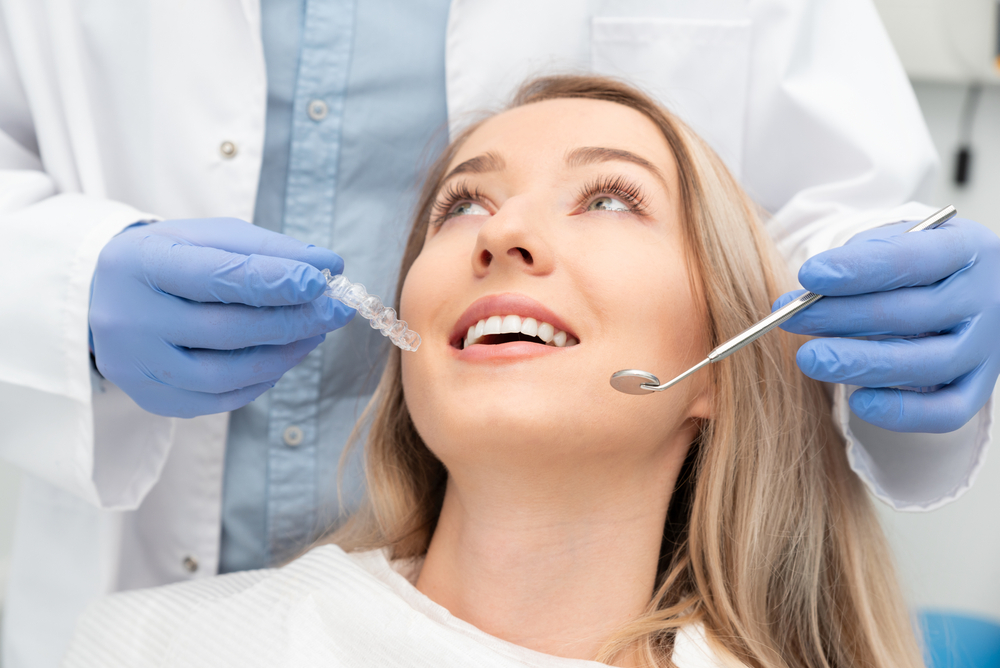
Invisalign aligners straighten teeth, so they sit between orthodontic and cosmetic care. A straighter smile is a common reason people choose them, and moving teeth also changes your bite, so we evaluate both first.
Are dental veneers permanent?
Veneers are a long-term restoration, and one part of the process is permanent: placing them usually means removing a thin layer of enamel that won’t grow back. Well-cared-for veneers can last many years before they need replacement.
How do I know which smile transformation option is right for me?
The right option depends on what bothers you most and on the health of your teeth and gums. A consultation with your dentist gives you a recommendation based on what we actually see.