

If a tooth has cracked, broken, or started crumbling from decay, a dental crown in Pacific Beach can often keep it in your mouth and working the way it should. At Azara Dentistry, we work from our practice at 4501 Mission Bay Dr Ste 2E in San Diego, serving Pacific Beach and Mission Bay. We see patients who have put off a damaged tooth for months, along with patients who bit into something hard yesterday and felt a piece give way. Dr. Rocio Zaragoza Santacruz, DDS, looks at the tooth with you, explains what she finds in plain words, and lays out your choices before any work begins. Then the choice is yours. Knowing who will be caring for that tooth is a good place to start.
Dental Crown in Pacific Beach
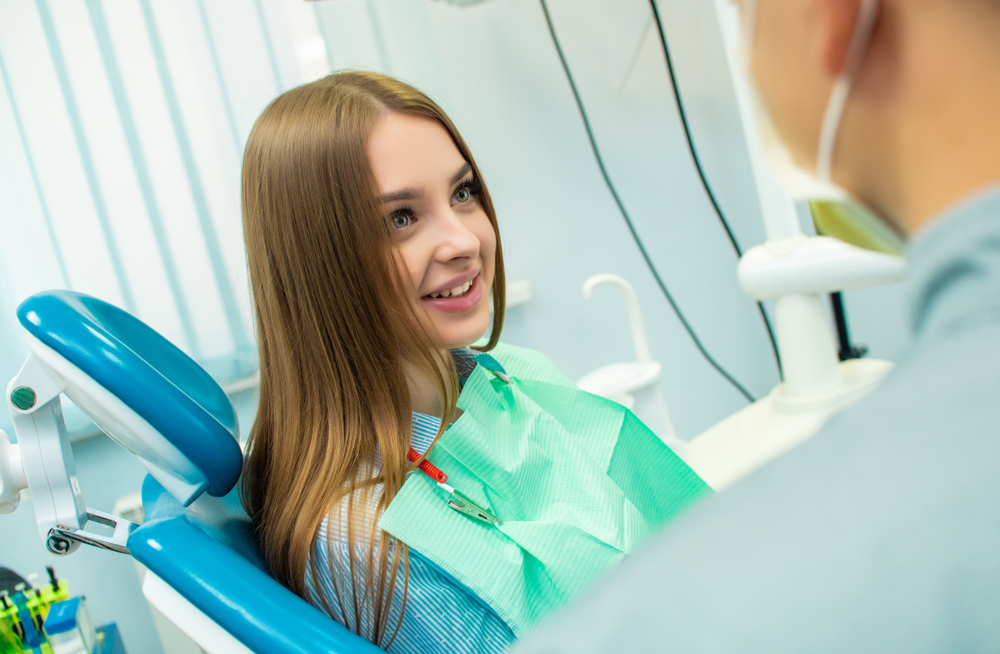
Meet the Doctor
Dr. Rocio Zaragoza Santacruz starts every restorative conversation with one question: how much of your own tooth can she keep? That habit shapes how we practice at Azara Dentistry, where the goal is to preserve what’s yours and to place a crown only when a smaller repair would fail. Her path started in Atlanta and ran through the Georgia Institute of Technology, where she earned her undergraduate degree. She then graduated from the UCLA School of Dentistry, a nationally ranked program, before settling in San Diego. Locally, she serves as a Board Member of the San Diego Academy of General Dentistry and a Committee Member of the San Diego Dental Society. She also stays active in dental study clubs, where dentists review cases together. As Volunteer Faculty at the UCSD Free Dental Clinic, she guides students as they care for community patients. Outside dentistry, she volunteers as a Make-A-Wish Foundation Wish Granter. During your visit, she’ll point out the damage on your X-ray so you can see it for yourself.
Learn About Your Doctor!
Are You Experiencing a Cracked, Damaged, or Weakened Tooth?
Is a Dental Crown right for you?
A crown makes sense for some damaged teeth and is more treatment than others need.
The deciding factors are how much healthy tooth remains and how hard that tooth works when you chew. Thinking through your own symptoms and history gives you a clear sense of whether a crown belongs in the conversation.
Who is a candidate for a Dental Crown?
You’re likely a candidate if a tooth has decay too large for a filling to hold or a crack running through it. A broken cusp, a root canal in the tooth’s history, or enamel worn thin from grinding also points toward tooth crown restoration. Ask yourself whether the tooth hurts when you bite or snags your floss. Gum health comes first. Active gum disease needs treatment before a crown goes on, because the crown seals against healthy gums. A tooth with too little structure left may need a buildup first, or it may be a better fit for another option.
What does the Dental Crown Process involve?
Your first visit starts with an exam and X-rays of the tooth and the bone around it. We remove decay and shape the tooth so the crown fits evenly. An impression or digital scan records that shape, and a temporary crown covers the tooth until the permanent one is ready. CAD/CAM systems can mill a crown in one sitting, depending on the equipment a practice has. At your second visit, Dr. Zaragoza seats the final crown and checks your bite with you before cementing it. Our comfortable chairs, TV, and lip care help the time pass.
Where does a Dental Crown fit into your treatment plan?
A standard crown takes two visits at our practice, with a short wait between them while the permanent crown takes shape. You won’t need a referral elsewhere for a standard crown, since we also handle root canal therapy, extractions, and bridges at the same location. If a tooth breaks suddenly, we offer same-day emergency dental care and accept walk-ins, so we can see you quickly. We keep Sunday hours too, which helps when a tooth cracks over the weekend. Patients without insurance can join our in-house membership plan, and no-interest payment plans through Cherry let you spread treatment costs over time.
When is the right time to consider a Dental Crown?
Pain when you bite, a visible crack, or a filling that keeps breaking are signs to act soon. Waiting gives the damage room to spread, and a tooth we could crown today may be past saving later. A crown is built to last for years, and its lifespan depends on the material, its spot in your mouth, and your daily habits. Replacing a dental crown becomes necessary when it chips, loosens, or develops new decay at its edge. Unsure how urgent your symptom is? A telehealth visit through ZocDoc lets us look at the problem with you before you come in.
Why a Dental Crown over the alternatives?
When too little tooth remains to support a filling, a crown gives the tooth full coverage because it caps every chewing surface at once. Inlays and onlays deserve real credit, since they save more natural tooth and work well when damage is moderate. Extraction followed by an implant or bridge replaces the tooth entirely, which suits a tooth that can’t be restored but adds steps, healing time, and expense. The trade-off with a crown is real: we have to remove more of the outer tooth to make room for it. That trade tends to pay off for heavily damaged back teeth. A retrospective study in Restorative Dentistry & Endodontics found the survival rate from fracture was higher for root canal-treated molars restored with crowns than for those restored with composites, with crowned molars reaching 92.7%.
A Compromised Tooth Left Untreated Can Cost You Far More Than a Crown
Left alone, a cracked or decayed tooth tends to get worse, and the repair grows with it. The longer a crack sits, the more chewing pressure it absorbs, and the deeper it can run. Once decay or a crack reaches the nerve, a crown alone won’t be enough, and you may need a root canal first. If the tooth splits or keeps getting infected, extraction follows, and then an implant or bridge to close the gap. Each step means more chair time and more recovery, and some of that time comes out of your workweek. The CDC estimates that over $45 billion in U.S. productivity is lost each year due to untreated dental disease.
Options: Types of Dental Crowns
Porcelain and Ceramic Crowns
Porcelain and ceramic crowns are the material usually discussed first for a visible front tooth. Their translucency lets light pass through the way it passes through enamel, so a tooth-colored crown made from them blends in up close and in photos. They contain no metal at all.
These crowns fit best in two situations:
- Front teeth that show when you smile or talk, especially beside enamel that needs a close shade match
- Patients with a metal sensitivity
Their weak point is the steady load back teeth carry with every bite.
Opposing Perspectives
Ceramic chips and fractures more readily than zirconia or metal, which makes molars a riskier spot for it. In its favor, it matches the look of natural enamel closely and sits well against gum tissue.
Lithium disilicate, a widely used glass-ceramic, has a strong record: a systematic review in The Journal of Prosthetic Dentistry found the 5-year cumulative survival rate was 97.8% for single crowns. The same review noted that data beyond five years remain scarce, so researchers are still tracking how these crowns hold up long term.
Zirconia Crowns
Zirconia gives you the strength of metal in a tooth-colored crown. It stands up to the heavy chewing force on molars and premolars, which is where ceramic alone tends to struggle. Zirconia also contains no metal, which suits patients who want strength without a gray edge near the gums.
Newer high-translucency forms of zirconia have made it an option for front teeth too. Conventional zirconia looks more opaque than glass-ceramic, so shade matching on a front tooth takes extra care.
Opposing Perspectives
Strength is the main case for zirconia. If you grind at night or have a history of cracked crowns, that fracture resistance matters most.
Zirconia is harder than enamel, which raises a fair question about wear on the tooth it bites against.
Compared with feldspathic porcelain, zirconia had substantially less antagonist wear in an umbrella review published in the Journal of the Indian Prosthodontic Society. Antagonist wear is the term for wear on that opposing tooth. Polished zirconia also caused less enamel wear than glazed zirconia in that review.
Price is the clearer downside, since zirconia crowns usually cost more than ceramic or PFM.
Porcelain-Fused-to-Metal (PFM) Crowns
Porcelain-fused-to-metal crowns pair a metal base for strength and fit with a porcelain layer on the outside for color. They led restorative dentistry for decades and remain in regular use. The porcelain layer takes a shade that matches the teeth beside it.
PFM often comes up in two cases:
- When cost matters more than appearance
- When the tooth sits far back and rarely shows
Dr. Zaragoza compares PFM and zirconia with you based on how visible the tooth is and how hard you bite.
Opposing Perspectives
A retrospective study in Dentistry Journal followed crowns placed by dental students at an Australian university clinic. Those researchers tracked a continued decline in the survival rate of PFM crowns, which fell to 83.2% at four years while metal crowns held steady.
Other downsides show up with time. As gums recede, the metal edge at the base can appear as a dark line, and the porcelain layer can chip off the metal. Mention any metal sensitivity before choosing this option.
In PFM’s favor, its long clinical record and metal core make it strong enough for front or back teeth.
Alternative Treatments: What happens if you do nothing?
Financial Implications of More Invasive Solutions
Dental pain that flares up at night can send you to a hospital emergency room. That visit tends to end with treatment that quiets the pain for a while:
- Antibiotics to calm the infection
- Pain medication to get you through
Neither one repairs the cracked or decayed tooth, so the pain returns and the bills repeat.
If the tooth can’t be saved, you face the price of extraction plus an implant or bridge to fill the space.
Emergency Room Dental Visits Cost Three Times as Much
The American Dental Association reports that emergency department trips for dental problems cost three times as much as a visit to the dentist. That comparison covers hospital emergency visits for dental conditions across the U.S.
A planned visit for a cracked or decayed tooth puts your money toward the repair itself.
Health Implications of More Invasive Solutions
Bacteria can reach the pulp, the soft core of the tooth that holds nerves and blood vessels, through a crack or deep cavity.
Once infection settles there, it can spread into the bone around the root. Eventually, you can lose the tooth. Losing a back tooth changes how you chew and puts more work on the teeth around the gap.
Oral infections also interact with the rest of your body, and diabetes shows the connection clearly. High blood sugar makes gum and bone infections harder to control, and ongoing infection can make blood sugar harder to manage.
Severe Tooth Loss Is More Common in Adults With Diabetes
Tooth loss is one measure the CDC uses to track oral health in adults with diabetes. The CDC reports that people aged 50 or older who live with the condition have severe tooth loss 56% more often than adults without diabetes.
Severe tooth loss narrows what you can comfortably eat, which matters when food choices are part of managing diabetes.
For anyone managing diabetes, a cracked or decaying tooth deserves attention sooner. Tell us about your diabetes at your visit so we can plan around healing time.
Safety Implications of More Invasive Solutions
Cracked teeth can split during an ordinary meal, sometimes with no warning. When the break runs below the gumline, there may be nothing left to crown, and extraction becomes the only choice.
Biting down on a fractured tooth can also cut your cheek or tongue on its sharp edge.
Infection adds a second danger. Bacteria trapped at the root can form an abscess, a pocket of pus that swells the gum and face. The infection can then push into the jaw and the soft tissue of the neck.
Most Ludwig Angina Cases Start in the Lower Molars
According to StatPearls, the National Library of Medicine’s clinical reference, Ludwig angina most often begins with infected lower molars, which account for 90% of cases. Within the lower jaw, the second and third molars are the teeth most often involved.
This infection spreads through the floor of the mouth and under the jaw. Swelling there can push the tongue upward and narrow the airway, which makes it a medical emergency.
Severe facial or neck swelling, trouble swallowing, or trouble breathing calls for a hospital right away.
FAQs
Which type of crown works best for back teeth?
Back teeth need a crown that can handle heavy chewing, so strength usually comes first.
Zirconia suits molars and premolars because it resists fracture and still looks like a natural tooth. PFM is another sturdy option when keeping cost down matters more than how the crown looks at the gumline.
Porcelain and ceramic crowns can work on premolars that show when you smile, though they’re more prone to chipping under a hard bite.
Your bite, any grinding habit, and how much tooth remains all shape the choice. We look at those factors with you before recommending a material.
Does getting a dental crown hurt?
You shouldn’t feel pain during the procedure, because we numb the tooth and surrounding gum with local anesthesia before we start.
You’ll feel pressure and hear the instruments, and that part can feel strange. If dental visits make you anxious, ask about sedation dentistry, which we offer to help you stay calm through the appointment.
Afterward, the tooth may feel sensitive to hot, cold, or pressure for a few days.
That sensitivity usually fades on its own as the tooth and gum settle. If it lingers or your bite feels high, call us so we can adjust it.
How do you take care of a dental crown?
Care for it the same way you care for your natural teeth.
Brush twice a day and floss daily, paying extra attention to the gumline where the crown meets the tooth. Decay can still form at that edge, even though the crown itself can’t get a cavity.
Skip ice, hard candy, and chewing on pens, since those habits can chip porcelain or crack the tooth underneath.
If you grind your teeth at night, tell us so we can talk about protecting your crown while you sleep. Keep up with regular checkups and professional cleanings so we can spot wear or loosening early.
What should you do if a temporary crown comes loose?
Temporary crowns go on with a softer cement on purpose, so they occasionally come off.
Save the temporary in a small bag or container. Avoid chewing on that side, and call us so we can re-cement it.
Gently clean any old cement out of the temporary before you slip it back on. Over-the-counter temporary dental cement can hold it in place until you see us. If the temporary broke or you swallowed it, call us anyway so we can make a new one.
Leaving the prepared tooth uncovered for days can make it sensitive. The neighboring teeth can also drift slightly, which can change how your permanent crown fits.
How do I find a dental crown provider near Pacific Beach?
You’ll find Azara Dentistry at 4501 Mission Bay Dr Ste 2E in San Diego. We see patients from Pacific Beach, Mission Beach, Clairemont, Linda Vista, Mission Valley, and the neighborhoods around them.
Call us at 858.270.6626 to book a visit for a dental crown or to have us look at a tooth that’s bothering you.
If you’re new to the practice, ask about our new patient special, which covers an exam, X-rays, and a cleaning. That first appointment gives us a full picture of your teeth, so we can tell you whether you need a crown or a smaller repair will do.
Bring any recent X-rays from a previous dentist if you have them.