

The treatment sold as Curodont is built around oligopeptide P11-4, a synthetic, pH controlled self-assembling peptide used for biomimetic mineralization and enamel regeneration. The peptide was developed and patented by The University of Leeds in the United Kingdom, and a Swiss company later licensed the technology for dental products. For patients with early enamel changes, that purpose matters, since it can decide whether a tooth stays drill-free now or needs a filling later.
Curodont

Meet Dr. Rocio Zaragoza Santacruz
Dr. Zaragoza focuses on preserving your natural tooth structure, which is why she watches closely for early enamel changes that may respond to drill-free care. Rocio Zaragoza Santacruz, DDS, earned her dental degree at the UCLA School of Dentistry, a nationally ranked program, after undergraduate studies at the Georgia Institute of Technology. Her professional service includes a seat on the board of the San Diego Academy of General Dentistry and a committee role with the San Diego Dental Society. Away from the practice, she volunteers as faculty at the UCSD Free Dental Clinic and serves as a Wish Granter with the Make-A-Wish Foundation. At Azara Dentistry on Mission Bay Drive, she sees patients from Pacific Beach, Mission Beach, Clairemont, Linda Vista, Mission Valley, and across San Diego. Her clinical aim with each of them is the least invasive path to lasting oral health.
Learn About Your Doctor!
Conditions, Symptoms, and Pain Curodont Repair Addresses
Decay starts before a cavity forms, as minerals leave the enamel faster than saliva and fluoride can replace them. Dentists call this process enamel demineralization, and it leaves white spot lesions on the surface that the repair treatment targets. In a 2015 meta-analysis, the prevalence of lesions in patients undergoing orthodontic treatment reached 68.4%. Applied to one of these lesions, a biomimetic peptide forms a matrix inside the porous enamel that draws calcium and phosphate back in without removing any tooth material.
Recognizing the Problem
Early enamel lesions show up as small changes in how a tooth looks and feels. They often sit where a bathroom mirror won’t help.
Here’s what to look for at home:
- A chalky patch that stays put after you brush
- A white or opaque band along the gumline, where plaque tends to collect
- Spots between teeth or on the back surfaces of your molars
- White outlines where braces brackets once sat
- Mild sensitivity when you sip something cold or bite into something sweet
- A slightly rough feel when you run your tongue across the enamel
None of these cues means a tooth is beyond help. The National Institute of Dental and Craniofacial Research calls a white spot a sign of early decay and notes that decay can be stopped or reversed at this point. In this early stage, the outer surface of the enamel stays intact even while the layer beneath it loses mineral, which is why the spot looks white and opaque.
Is it a stain or a lesion? Coffee and tea stains usually look yellow or brown and sit on the surface. A white spot lesion looks flat and chalky, and it stands out more when the tooth is dry. Drying the tooth with a tissue makes the check easier. Some white marks come from fluorosis, a change that happens while teeth are forming, and those don’t behave like decay.
On molars, early decay can start in the deep grooves of the chewing surface, where bristles can’t fully reach, and it may look like a white or brownish line.
Timing offers another clue. Spots that appear after a stretch of frequent snacking, sipping sweet drinks, or months when your brushing routine slipped line up with the habits that pull minerals out of enamel.
Color and shine add more detail. Active lesions tend to look matte and chalky. Lesions that have stopped progressing often look shiny and can pick up a brown stain over time.
When Should You Seek a Professional for Minimally Invasive Dentistry?
A professional look makes sense when a white spot or new sensitivity sticks around despite steady brushing and flossing. Early lesions don’t hurt the way a deep cavity does, so pain makes a poor guide for timing.
Once decay reaches the dentin, remineralization alone can’t reverse it.
Dentin is the layer beneath the enamel, and it’s softer and more porous. It’s full of tiny channels that lead toward the nerve, so decay moves through it faster than through enamel. When that happens, the enamel surface eventually breaks and leaves a cavity, which the National Institute of Dental and Craniofacial Research describes as permanent damage that a dentist has to repair with a filling.
A white spot you’ve just noticed can often wait for a routine checkup that’s already on the calendar, as long as it isn’t growing or causing lingering sensitivity.
At an exam, we dry the tooth with a gentle stream of air and look at the surface under bright light. We also check the texture with a light touch. Next, we pair that visual check with clinical tools and imaging to see how deep the lesion runs. X-rays can reveal changes between teeth that the eye can’t reach, and they give us a baseline for later visits. We record each finding by tooth and surface.
If a lesion looks inactive, we chart its size and appearance and compare them at your next routine visit. A spot that keeps the same size and shine between visits isn’t progressing.
Young teeth deserve the same attention, since enamel on a permanent molar that just came in is less mineralized than it will be a few years later.
Some changes call for a sooner visit. A spot that has grown, a surface that catches or shreds floss, and a dark line at the edge of a white patch all signal activity. Lingering sensitivity after a cold drink is gone can also signal decay that has passed the enamel.
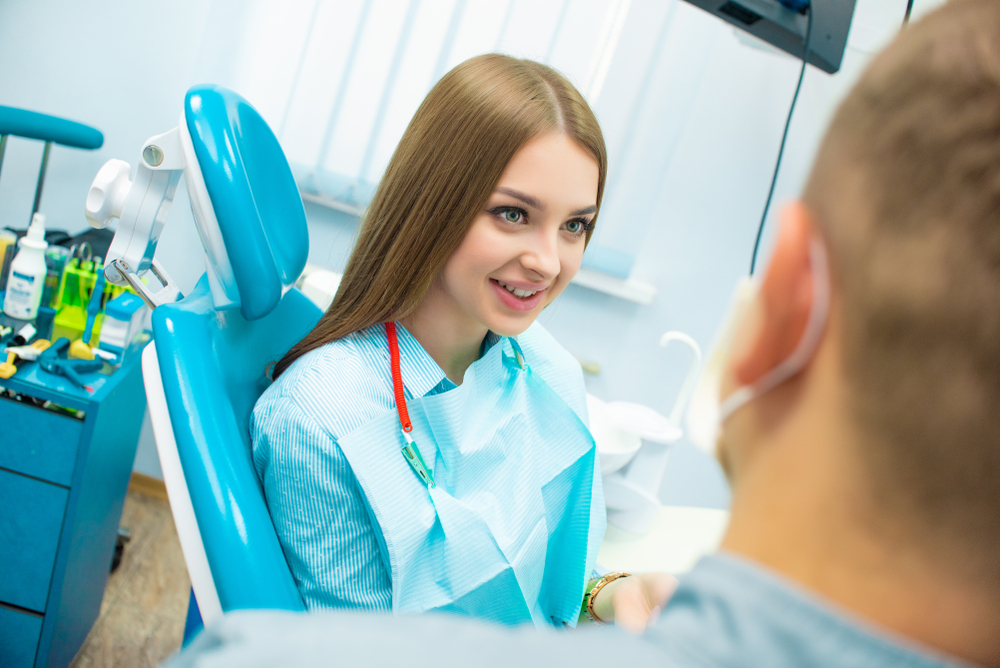
Prevention and Hygiene Education: Remineralization Therapy and Curodont Protect
You prevent early decay by giving enamel more chances to take minerals back than to lose them. Enamel contains no living cells, so it can’t grow back, yet it can absorb minerals again.
Saliva carries calcium and phosphate to the tooth surface all day long. Fluoride helps those minerals settle into the enamel in a form that holds up better against acid than the original crystal. Each time you eat, acid pulls minerals out, and in the hours between meals, saliva puts them back.
Daily habits that support this repair cycle:
- Brush twice a day with a fluoride toothpaste, then spit without rinsing so a thin layer of fluoride stays on your teeth
- Cut back on how often you snack or sip soda and juice, since each exposure restarts the acid cycle
- Drink water through the day to keep saliva flowing
- Keep up with regular dental visits so we can spot small changes while they’re still shallow
Brushing right before bed matters most, because saliva flow drops during sleep and leaves enamel with less protection overnight.
How often you eat sugar matters as much as how much. According to the American Dental Association, foods eaten as part of a meal cause less harm to teeth than a steady run of snacks through the day. A soda sipped over an afternoon keeps enamel under acid far longer than the same soda finished with lunch.
Some mouths lose minerals faster than others. Dry mouth reduces saliva, the main source of those minerals. Certain medications, including some for blood pressure and allergies, are common causes of dry mouth. Braces and clear aligners give plaque more places to sit, and a history of frequent cavities points to enamel that already loses minerals easily.
For higher-risk enamel, remineralization in the dental chair adds protection beyond home brushing, and we offer fluoride treatments at routine visits. The preventive version of the peptide treatment takes a different route, coating at-risk enamel to support mineral uptake before a lesion forms.
Popular Home Remedies for Non-Invasive Cavity Treatment
The search for a home fix tends to start the day a white spot appears. A 2025 study of oil pulling videos on YouTube Shorts, published in the Dentistry Journal, found a smaller subset making claims including reversing cavities and remineralizing enamel. Four options come up again and again:
- Oil pulling: swishing a spoonful of coconut or sesame oil around your mouth for several minutes, then spitting it into the trash
- Baking soda: brushing with a paste of baking soda and water for its mild grit and its ability to counter acid, sometimes mixed with hydrogen peroxide for whitening
- Xylitol gum: chewing gum sweetened with xylitol, a sugar alcohol that mouth bacteria can’t ferment the way they ferment sugar
- Hydroxyapatite or nano-calcium toothpaste: pastes built around the same mineral that makes up most of your enamel, first sold widely in Japan
Each one has an easy appeal. They cost little and need no appointment, and oil and baking soda may already sit in your kitchen.
Some of the draw is philosophical, too. Oil pulling comes from traditional Ayurvedic practice, and hydroxyapatite pastes attract people who prefer a fluoride-free routine. Baking soda has a long history in home oral care, appearing in tooth powders well before modern toothpaste. Xylitol gum fits into a busy day, since you can chew a piece after a meal when brushing isn’t practical.
A typical do-it-yourself routine stacks several of these at once, such as oil pulling in the morning and a hydroxyapatite paste at night. Each works at the tooth’s outer surface, and none carries an active ingredient into the body of a lesion the way a professionally applied peptide does.
Online videos and wellness blogs also pass around remineralizing pastes made at home. These recipes mix calcium powders, clay, crushed eggshells, or activated charcoal, sometimes with essential oils for flavor. Several store-bought products advertise whitening too, which adds to their pull.
What the Research Says About Fluoride Alternatives and Home Remineralization
Xylitol can lower the activity of Streptococcus mutans, the main acid-producing bacteria in the mouth, especially with regular use after meals. It helps most when it replaces sugary gum or mints, since that swap also removes a sugar exposure. Gum alone doesn’t rebuild mineral inside a lesion that has already formed.
A 2024 meta-analysis in the Journal of Dentistry found pure nano-hydroxyapatite had a promising remineralisation effect in comparison to fluoride alone on white spot lesions, though the spots didn’t change color. Its authors also noted few clinical studies and short follow-up periods. Products labeled nano-calcium vary in what they contain, which makes them harder to judge as a group.
Checking the label for hydroxyapatite by name tells you which mineral you’re actually using. Both pastes fit best in a daily preventive routine, while a lesion you can already see calls for an agent that reaches below its surface layer. Fluoride toothpaste has decades of use behind it for slowing mineral loss at home.
Baking soda has a real benefit of its own, since toothpastes that contain it can help lift plaque and neutralize acid with low abrasion. Plain baking soda has no fluoride, so it helps more with cleaning than with mineral repair.
Oil pulling’s possible benefits center on plaque and gum health, with no clear link to rebuilding enamel. Oil adds no fluoride or minerals. It works as an add-on at most, since swishing doesn’t scrub plaque from the tooth surface the way bristles do.
Homemade pastes carry the most uncertainty. Crushed eggshell, clay, and charcoal can be gritty enough to wear enamel, and a kitchen recipe gives no way to know how much calcium reaches the tooth.

Cost and Insurance for Preventive Dentistry in San Diego
Across the industry, treating an early enamel lesion before it becomes a cavity costs less than the restorative work an untreated lesion can lead to. A filling costs more than a preventive application, and a crown costs more than a filling.
Industry Average Pricing
Industry averages for remineralization treatment shift with a few predictable factors. For comparison, in CareCredit’s 2024 national cost study, the price of a dental sealant per tooth ranges from $33 to $82, a benchmark for preventive care that is priced the same way. Any industry-average figure you come across blends many practices and settings, and it doesn’t reflect what any single practice charges.
These three factors drive most of the spread:
- Surfaces treated: one white spot on one tooth uses less material and chair time than several lesions across the mouth
- Product used: fluoride varnish, sealants, and peptide-based treatments each carry a different material cost
- Regional market: rent, wages, and supply costs differ from city to city, and dental fees follow those differences
Age plays a role, too. Fluoride varnish has been in use for decades and comes from many manufacturers. A patented peptide product has fewer suppliers, and its material cost reflects that.
Treating several lesions in one visit can lower the per-tooth share, since setup and chair time spread across more teeth.
An average for the application also leaves out the visits around it. A first appointment may include an exam to confirm the lesion’s stage, and follow-up visits that track mineral uptake can each carry their own fee. Those follow-ups spread over months, so the full cost arrives in pieces.
Published averages for peptide treatment can be harder to compare than averages for older procedures. Fee schedules may group it with other decay-stopping treatments, which blends its cost with theirs. A quote that lists the fee for each tooth makes those comparisons easier. Each line should name the tooth and surface.
Contact us directly to verify current pricing, exact plans, and what your insurance may cover for your teeth.
Common Insurance Providers for Cavity Prevention in Pacific Beach
Coverage for remineralization treatment depends on how your plan classifies it. Dental plans sort services into tiers, often called preventive, basic, and major, and preventive care usually carries the highest coverage.
A newer treatment doesn’t always fit neatly into one tier. Some plans list it under preventive benefits, while others classify it by the procedure code your dentist submits. That code can place it under basic care or outside the plan’s covered services. Ask us which code applies to your treatment, since that detail decides which tier your plan uses.
A few plan terms shape what you’ll pay out of pocket:
- Frequency limits on how often a plan covers a preventive treatment each year
- Age limits, since some plans cover fluoride and sealants only for children
- Annual maximums that cap what the plan pays in a benefit year
- Waiting periods before new members can use basic or major benefits
Plan type matters as well. PPO plans pay toward dentists in or out of network at different rates, while HMO-style plans generally require an in-network dentist. Discount plans work differently, offering reduced fees at participating practices with no insurer paying a share.
If you carry two dental plans, coordination of benefits rules decide which plan pays first and how the second plan handles what remains. Health savings and flexible spending accounts generally cover dental treatment that isn’t cosmetic, which can apply to amounts your plan leaves behind.
Insurance carriers that commonly appear in the dental market change from region to region. A 2026 Government Accountability Office report identifies the single largest stand-alone dental insurer in each state by 2024 enrollment. Leaders on that list include several Delta Dental plans, the Metropolitan group, Cigna, Guardian, and Blue Cross Blue Shield affiliates. Any general industry list serves as a reference only. It doesn’t represent the plans our practice accepts.
Ask us before your appointment, and we’ll check your benefits. If your plan offers a pre-treatment estimate, we can request one so you know the covered portion ahead of time.
Speak With A Professional!
FAQs
What is the difference between Curodont Repair and Curodont Protect?
The Repair formula treats an existing early enamel lesion by placing a peptide matrix inside it to support remineralization. The Protect formula goes on healthy or at-risk enamel as a preventive layer that lowers the chance of new lesions forming.
Is Curodont treatment painful?
The application involves no drilling, injections, or removal of tooth structure. Your dentist cleans and dries the tooth before applying the liquid, so you may feel a puff of air or a cool sensation.
Who is a good candidate for early cavity treatment with Curodont?
People with white spot lesions or early enamel lesions that haven’t broken through the surface are the usual candidates. A lesion that has already formed a hole in the tooth typically needs a traditional filling instead.
Can Curodont be used on children's teeth?
The application needs no drilling or anesthesia, which can make it easier for children who feel nervous in the dental chair. Your dentist checks the lesion’s stage during a clinical exam before suggesting it for your child.
Does Curodont replace fluoride treatments?
The peptide works alongside fluoride, so your dentist may still recommend fluoride varnish and a fluoride toothpaste at home. Fluoride mainly strengthens the enamel surface, while the peptide targets the body of the lesion beneath it.