

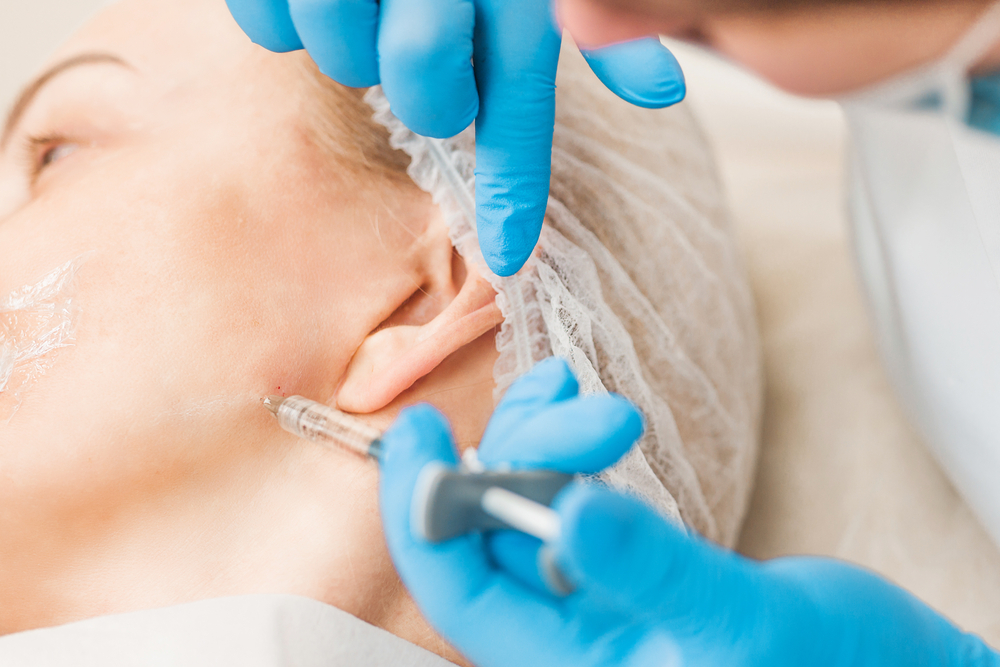
Used in dental and medical settings, Botox for TMJ pain or migraines relies on a drug that Merriam-Webster defines as a neurotoxin formed by botulinum that causes botulism, a substance clinicians purify and inject to treat health problems. Its medical use traces back to ophthalmologist Alan B. Scott, who injected the first strabismus patients in 1977 to correct eyes that didn’t line up. Knowing how the treatment acts on a muscle can help you weigh it for daily jaw tension or headaches that haven’t eased with simple care.
Botox for TMJ Pain or Migraines

Meet Dr. Rocio Zaragoza Santacruz, DDS
Dr. Rocio Zaragoza Santacruz focuses on patient-centered care that weighs how your teeth and jaw work alongside how comfortable you feel in the chair. At Azara Dentistry, she draws on her training from the UCLA School of Dentistry, a nationally ranked program. She serves as a board member of the San Diego Academy of General Dentistry and as a committee member of the San Diego Dental Society. Dr. Zaragoza also takes part in dental study clubs, which keep her current on new research and clinical cases. Outside the practice, she volunteers as faculty at the UCSD Free Dental Clinic and serves as a Make-A-Wish wish granter. When you bring her questions about jaw soreness or clenching, she gives you unhurried time and her undivided attention.
Learn About Your Doctor!
Conditions, Symptoms, and Pain Associated with TMJ Disorder and Migraines
The temporomandibular joint links your jaw to your skull, and overworked muscles around it can cause jaw pain, facial tension, clicking or locking, and headaches. The National Institute of Dental and Craniofacial Research reports that this group of disorders, called TMD, affects about 5% of adults in the U.S. Teeth grinding and clenching, known as bruxism, add strain to these muscles, and chronic migraines can carry a muscular component in the head and neck. Therapeutic botulinum toxin injections temporarily relax the overactive muscles, which can ease both the intensity and frequency of pain for qualifying patients.
Recognizing TMJ Disorder Symptoms and Teeth Grinding
Jaw strain can show up somewhere else first, which makes the early signs easy to misread. A headache at the temples may feel like ordinary stress, and worn enamel may only come to light during a routine dental visit.
These cues can point to jaw muscles under steady strain:
- A tender or tired jaw when you wake up
- A dull ache near your ears or temples in the morning
- Clicking or popping when you chew or open wide
- Catching yourself clenching while you drive or concentrate
- Flattened or chipped edges on your teeth
- A jaw that feels stiff during a big yawn
- A bite that suddenly feels off when your teeth meet
A noisy jaw is often harmless. According to the NIDCR, clicking or popping sounds in the jaw joint that come without pain are common, are considered normal, and need no treatment. Clicking that hurts, or a lasting ache in the chewing muscles, is the kind of sign that may point to TMD.
Night grinding is harder to catch because it happens while you sleep. A bed partner may hear it before you do. You may also wake with sensitive teeth and a sore jaw on the same mornings, which ties the two together.
Daytime clenching is easier to check. Several times a day, notice where your teeth are. If they’re touching while you aren’t eating or swallowing, your jaw muscles are working at a moment when they could rest.
Writing down those mornings gives you concrete details to share during an exam, including when the soreness starts and whether a headache comes with it.
When Should You Seek a Professional for Jaw Pain or Migraines?
Watch two signals: frequency and change.
Jaw stiffness that appears after a stressful week and fades within a few days fits a short-lived strain. Pain that’s there most mornings, or headaches that arrive several times a week without a clear trigger, points to an ongoing pattern.
The American Migraine Foundation lists a Significant increase or change in headache frequency among the red flags that call for a visit to your doctor. That guidance, written for people living with migraine, also covers a shift in headache pattern or character.
Other signs that deserve a professional look include:
- Jaw pain that makes chewing or talking hard
- A jaw that catches or locks open or closed
- Pain that wakes you at night
- Headaches that move to a new spot or feel different
- Home care that brings shorter relief each time you use it
During a dental exam, we feel the muscles along your jaw and temples and check your teeth for wear patterns that grinding leaves behind. That helps separate muscle-driven jaw pain from tooth or gum problems that call for different care. Migraine itself is a medical diagnosis, so your headache pattern may also need a physician’s input.
Bring a list of what you’ve already tried, so you and your provider can weigh migraine treatment options, including therapeutic injections, against your symptom history.
Your dentist is a practical first stop when the pain centers on the jaw or chewing muscles. A physician or neurologist fits better when headaches dominate and your jaw feels fine, and the two can work from the same history.
Prevention and Hygiene Education: Managing Jaw Tension and Migraine Triggers
Prevention starts with the habits that keep your jaw muscles busy when they could be resting. Stress belongs on that list. It can show up as clenching during the day and grinding at night.
The NIDCR’s 2022 patient guidance suggests simple steps first, including an effort to reduce habits such as jaw clenching, gum chewing, and nail biting. Each of those habits works the same chewing muscles that ache during a TMD flare.
A few slow breaths before bed or a short walk after a tense meeting gives your jaw a chance to unclench.
These daily steps support a relaxed jaw:
- A resting position with lips together and teeth apart, your tongue resting gently on the roof of your mouth
- Softer foods during a flare, cut into smaller bites
- A steady bedtime and wake time, even on weekends
- Regular movement you enjoy, such as walking or swimming
- Short breaks during tasks that make you clench, such as long drives or deadline work
Posture adds load you may not notice. Holding your head forward over a phone or laptop pulls on your neck muscles, and that strain can reach the jaw and the base of your skull. Raising your screen to eye level and setting a reminder to sit back are small fixes that cost nothing.
Migraine prevention leans on knowing your own triggers. Limiting caffeine and drinking water through the day are two self-care steps to start with.
A headache diary shows which changes make a difference for you, including whether skipped meals line up with bad days.
Popular Home Remedies for TMJ Pain and Jaw Tension
Jaw pain remedies circulate through online videos and word of mouth. In a small study published in The Open Dentistry Journal, half of 34 patients with TMD at a Brazilian university dental clinic had self-medicated prior to seeking professional help.
These are the remedies you’re most likely to come across:
- Over-the-counter night guards: boil-and-bite trays that cushion your teeth during sleep
- Jaw stretches: slow opening and side-to-side movements meant to loosen tight muscles
- Moist heat: a warm washcloth held on the jaw
- Cold packs: wrapped ice held briefly on the jaw
- Over-the-counter pain relievers: pills taken for short-term relief during a flare
- Magnesium: a supplement shared in migraine communities as a preventive step
Store-bought night guards appeal because they’re quick and inexpensive. A boil-and-bite tray softens in hot water and molds to your teeth at home. Its fit stays looser than a guard made from a model of your own mouth, and that looser fit can affect comfort and how long the tray lasts.
Stretching routines appear in short videos and printed handouts, and they usually involve slow opening and gentle side-to-side movement. The goal is easier motion, so each movement should stay within a comfortable range.
Heat suits stiff muscles. Cold suits a flare that feels swollen or tender.
Pain relievers from the pharmacy shelf are a quick option for a flare. The label sets the daily limit and how many days in a row you can take them.
Magnesium draws interest because pharmacies sell it over the counter and it fits into a daily routine. Supplements can interact with some medications, so check with a pharmacist or physician before you start one.
What the Research Says About Home Remedies for TMJ and Migraines
Low-risk home care can ease symptoms, while botulinum toxin acts on the muscle activity behind them.
Research indicates that botulinum toxin injections may represent an adjunctive or second-line option for selected patients with muscle-related TMD, according to a 2026 systematic review of randomized trials in the journal Toxins. The same review found that current evidence doesn’t support routine use of these injections as a first step for TMD overall.
Each home remedy brings a real benefit and a real limit:
- Night guards protect tooth surfaces from grinding, and the jaw muscles still contract against the guard.
- Stretches can restore comfortable movement, and pushing a sore joint too far can aggravate it.
- Heat and cold ease pain for a few hours, and the relief fades once the pack comes off.
- Pain relievers dull a flare, and their labels limit how long you can rely on them.
- Magnesium may help some people with migraine, and it can cause side effects such as loose stools.
Under the review’s reading, low-risk home measures come first, and injections enter the discussion once relief keeps falling short.
Botulinum toxin relaxes muscle. It can’t repair a displaced joint disc or correct a bite problem. Joint-related TMD may call for different care, which is one reason an exam comes before any decision about injections.
Gentle stretches and heat can continue between injection sessions.
Injections carry their own considerations, including temporary chewing weakness and the need for repeat sessions as the effect wears off. A provider weighs those against how much your symptoms disrupt sleep and meals.

Cost and Insurance for Therapeutic Botox Treatments
Therapeutic botulinum toxin costs vary from one provider to the next. Industry benchmarks and published insurer policies let you estimate your share before you commit to treatment.
Industry Average Pricing for Dental and Therapeutic Botox
Providers price therapeutic injections for jaw pain or migraine on a different basis from cosmetic applications, since a diagnosis sets the dose and the injection plan. Pearl’s national dental cost guide, updated in May 2026, reports that some practices offer BOTOX for masseter relaxation at roughly $400 to $800 per session. Industry averages give you a national benchmark, and they don’t reflect the price at any specific practice.
Four factors shape the price:
- The condition being treated: migraine protocols place injections across the forehead, temples, back of the head, neck, and shoulders, while jaw treatment focuses on the chewing muscles
- The number of injection sites and the total dose: providers often price botulinum toxin by the unit or by the treatment area
- The provider’s training and setting: a dental office and a neurology clinic may structure fees differently
- The follow-up schedule: the effect wears off, and repeat sessions add to the yearly cost
The exam and any imaging that come before treatment can appear as separate charges. An itemized estimate shows which costs belong to the evaluation and which belong to the injections.
Before treatment, ask how many units the plan calls for and how many sessions it expects per year.
Compare estimates across a full year of care. Two options that look different per visit can land close together over twelve months.
Contact us directly to discuss what applies to your situation and to verify current plans and rates.
Common Insurance Providers for Botox-Related TMJ or Migraine Treatment
Insurance coverage for therapeutic botulinum toxin varies by plan, even within a single insurer. Insurers that cover migraine prevention with these injections set clinical criteria first, and coverage for jaw-related use is less consistent.
Coverage decisions tend to turn on four points:
- The diagnosis your provider submits, such as chronic migraine or painful bruxism
- Your insurer’s written policy for botulinum toxin
- Your plan type, since medical plans and dental plans handle this treatment differently
- Prior authorization, which asks your provider to document your history and earlier treatments before approval
Aetna’s clinical policy bulletin, as one example, covers botulinum toxin for painful bruxism when a member has had an inadequate response to a night guard and to drug therapy such as diazepam. The same policy lists TMJ disorders themselves as experimental.
Some policies use step therapy, which requires records showing that simpler treatments came first, and the Aetna night guard requirement is one version of that rule. Keeping records of your night guard and medications helps if your plan asks for that history.
Coverage answers can change when an insurer updates a policy. A check close to your appointment date is more reliable than one from months earlier. If your insurer denies a claim, the explanation of benefits names the reason, and your provider can sometimes submit added records on appeal.
Aetna appears here as one general industry reference, and its policy is not a guarantee of what any individual practice accepts or what your plan covers. Ask us to verify your coverage before you schedule treatment.
FAQs
Is Botox a replacement for a night guard?
A night guard shields your teeth from grinding forces, while injections reduce the muscle force behind the clenching. The two can work together, so ask your provider which combination suits your jaw.
How long does dental Botox last for jaw pain or migraines?
The effect fades gradually over a few months as the treated muscle regains its strength. Your provider can plan follow-up sessions around the point when your symptoms start returning.
Is Botox for TMJ the same substance used in cosmetic treatments?
Yes, both use botulinum toxin, and the injection sites and goals differ. For jaw pain, injections target the chewing muscles that drive tension, while cosmetic injections soften lines on the face.
Can Botox reduce the damage caused by teeth grinding?
Weaker masseter contractions put less pressure on your teeth during clenching and grinding. Over time, this may slow enamel wear and ease the morning jaw soreness that follows a night of bruxism.
How many injections are needed, and where are they placed?
The number of sites depends on which muscles are involved and how strong your symptoms are. For jaw tension, injections typically go into the masseter muscle on one or both sides of the jaw.